The Invisible Pipeline: Why Your Rent is Building Someone Else's Skyline — And the $500 Shift That Changes Everything
The Quiet Reality of Our Streets
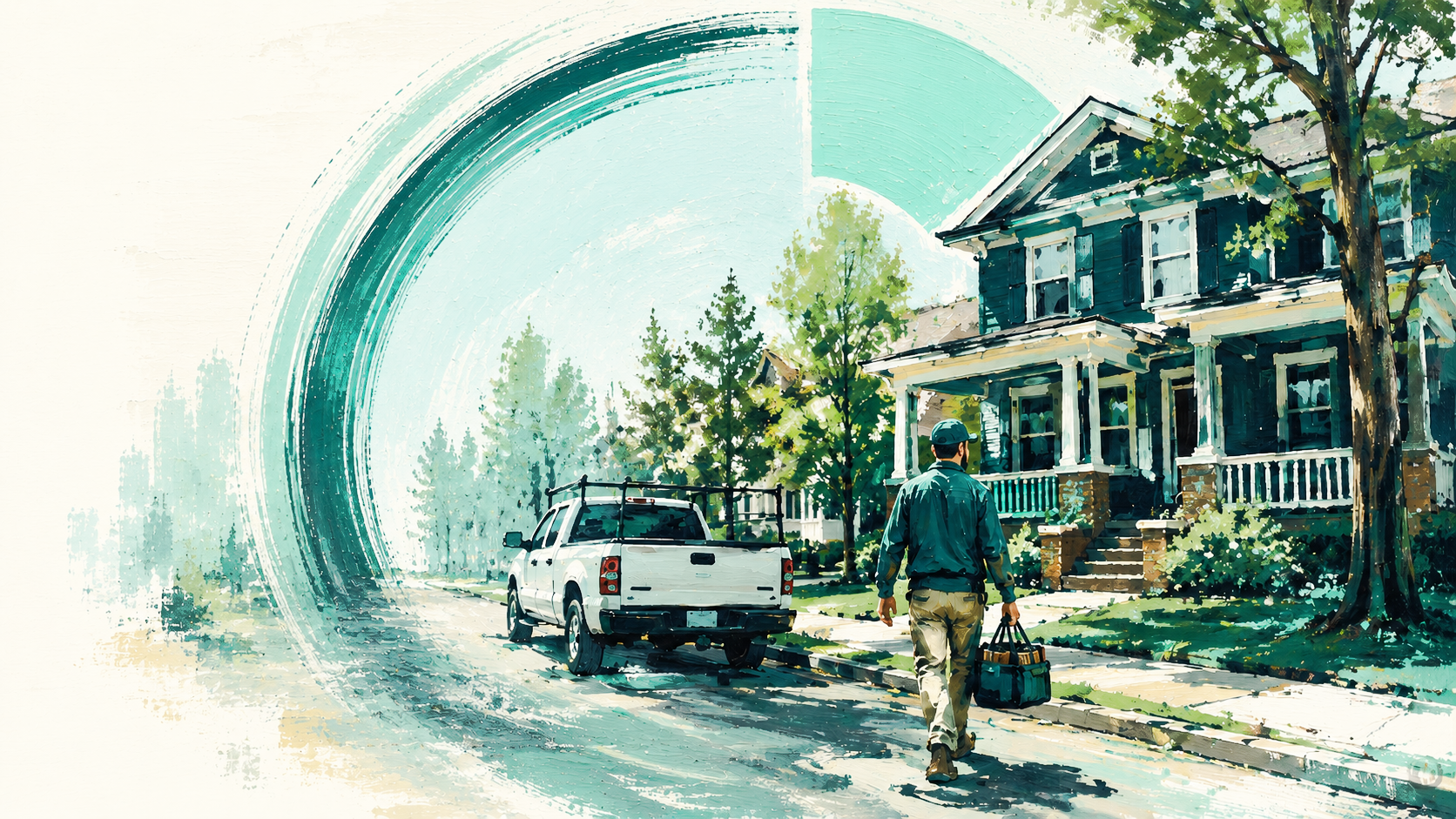
At dawn, the streets of Rochester do not announce their losses. There is only the wind, the rhythmic rattle of a loose gutter, and the distant, lonely bark of a dog. To the casual observer, these blocks are a portrait of stability. But beneath the surface, a clinical hemorrhage is underway. It is a ghost in the machine of our local economy: the silent click of an automated ACH payment, the cold finality of a rent withdrawal, the envelope sliding into a mailbox.
Every building on these streets has an owner, and every owner has a name. Yet, the name rarely matches the people who walk these sidewalks. We are witnessing a systematic movement of capital that is entirely invisible to the naked eye. This is not a neighborhood simply "getting by" — it is a neighborhood being hollowed out by routine.
The wealth generated here doesn't evaporate into thin air. It follows a direct, unobstructed path away from the people who maintain the community. The tragedy of our current economic state is not that wealth is absent, but that it is being harvested.

Wealth Doesn't Disappear, It Just Moves
This is what I call "The Extraction." While a market crash is a loud, violent event that makes headlines, The Extraction is something far more dangerous: it is a condition. It is quiet. It is legal. It is constant. It is the steady pulse of local value — your labor, your maintenance, your rent — being funneled out of Rochester and into the financial arteries of Dallas, Phoenix, Miami, Manhattan, Connecticut, and California.
The system is not broken; it is working exactly as it was designed for those in distant glass towers. For decades, the residents of Rochester have created the value, while outsiders have owned the "upside." The concrete and glass of distant skylines are quite literally being built with your neighbors' rent. It is a one-way street where the city provides the growth, but the equity is exported to a hedge fund in Greenwich or a developer in Miami.
"The wealth doesn't disappear. It moves. Out of the neighborhood. Out of the city."
The "Brass Door" of Real Estate has been Unlocked
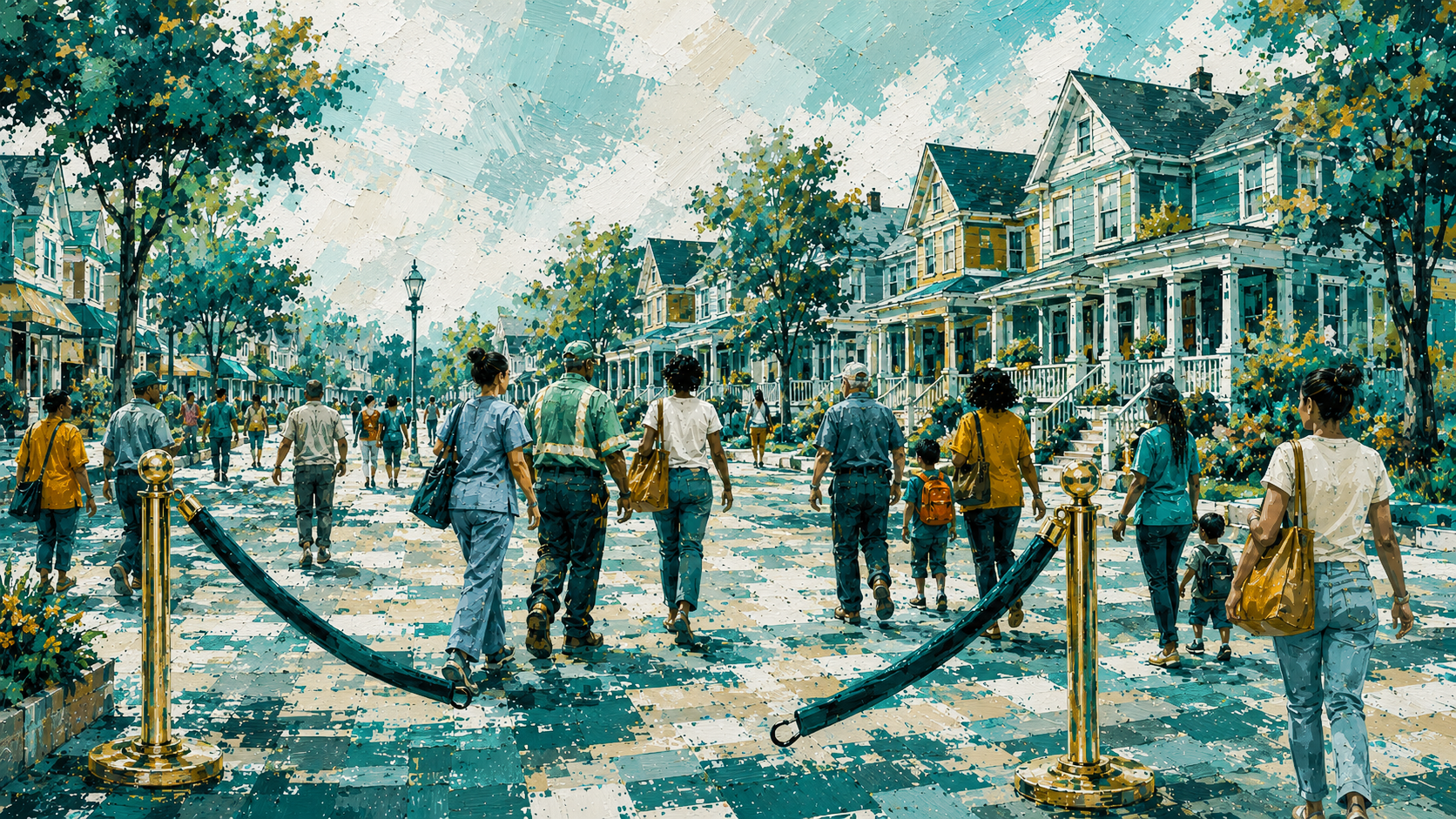
For most of modern American history, the path to true wealth was guarded by a heavy brass door. High-performing real estate assets — the kind that build generational security — were legally reserved for a closed circle. If you weren't already wealthy, you weren't invited in. This wasn't just a matter of "saving up"; it was a barrier guarded by legislation that mandated a "no participation" policy for the working class.
In 2016, a fundamental shift occurred, and the silence surrounding it was a feature, not a bug. Federal law changed through the introduction of
Regulation Crowdfunding. This legislative pivot was the discovery of a secret passage in a wall everyone assumed was solid. The brass door wasn't just unlocked; it was essentially unhinged. Yet, the gatekeepers didn't bother to tell the public that the map to ownership had changed.
The New Minimum is $500, Not Half a Million
The old guard taught us a specific version of "investing": put your money in a volatile market, hope for the best, and wait thirty years for a modest return. Meanwhile, the truly wealthy were buying the buildings, the neighborhoods, and the cash flow. They focused on actual assets while everyone else focused on symbols.
The barrier to that world used to be a half-million-dollar entry fee. Today, that number is $500. Through Regulation Crowdfunding, the face of ownership is shifting. It isn't a performance; there are no forced smiles. It is the clinical presence of:
- The nurse finishing a grueling double shift.
- The retired city worker who knows every crack in the pavement.
- The local contractor who has spent a lifetime repairing what others own.
- The resident standing on the porch where they raised their children.
These individuals are now legally allowed to bypass the institutional gatekeepers. By using registered FINRA portals, ordinary people can participate in the same private real estate deals that were once the exclusive domain of the elite.
Regulation Crowdfunding has turned the $500 in a savings account into a tool for direct atmospheric change in a neighborhood.
The Battle for the Next Decade of Ownership
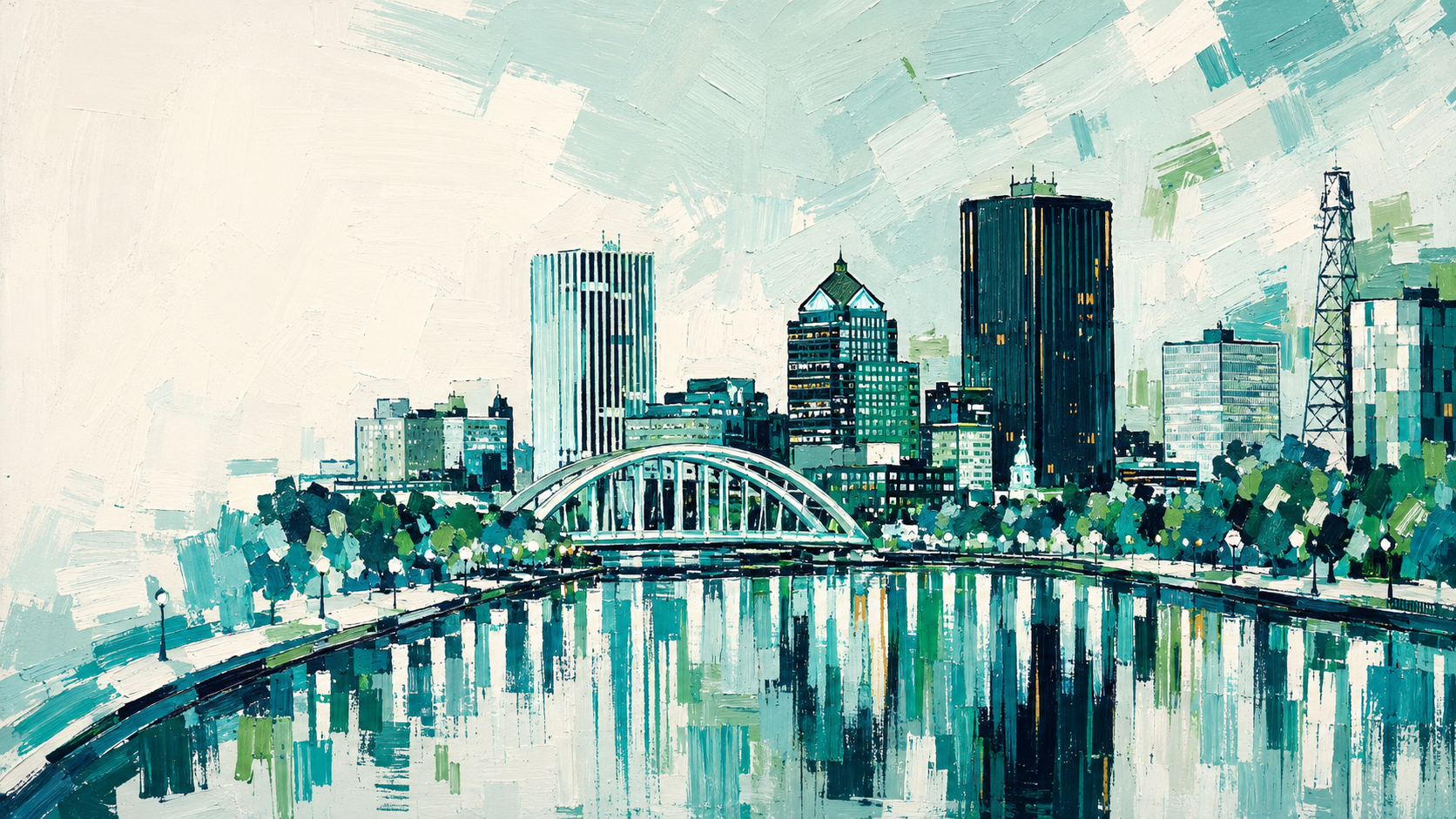
The city of Rochester is already a wealth-generating engine. Our porches, storefronts, and duplexes are productive assets that work every single day. The movement before us is a transition from being a guest in your own city to becoming a stakeholder.
We must challenge the definition of "home." If you do not own a piece of where you live, you are merely a guest of a landlord in another time zone. This isn't about "real estate deals." It's about ownership. It's about the fundamental right of a community to own its own future rather than renting it from strangers. The age of The Extraction ends when we decide that the wealth of Rochester belongs to the people of Rochester.
InvestInTheROC — Own where you live.